ReviewRoller spends hundreds of hours researching and analysing the best products available in the market. We make money only when you purchase products through our links. Our reviews are honest and unbiased. We never accept any form of incentives from the manufacturers. Read more
5 Best Sewing Machines
Updated February 2021
Why trust ReviewRoller?
  Usha
Janome Automatic Electric Sewing Machine
Check Price
|
  Appigo
Electric Sewing Machine
Check Price
|
 Brother
GS 3700 Sewing Machine
Check Price
|
 Singer
Promise 1408 Sewing Machine
Check Price
|
 Kiwilon
Sewing Machine
Check Price
|
|
Bottom Line |
The zig-zag electric sewing machines come with a special free arm for circular stitching. The in-built motor is strong and works well. It also includes a built-in needle threader and an LED light with switch facility. |
It is the best sewing machine for home tailoring to use for small household purposes. It has a two speed 12 stitches built-in sewing light. Double thread and speed helps you to create a neat and straight stitch. |
It is one of the best sewing machines with 71 different stitch functions and 37 stitches. The machines have a boutique design and come with an LED light for better work. A special one step button hole and picot foot enhances its features. |
It is one of the best sewing machines with 8 built-in stitches. These include 6 basic, one decorative and one 4-step buttonhole. The machine provides 24 stitch functions and a Snap-On presser foot that expands your sewing possibilities. |
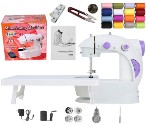
The Kiwilon sewing machine is best for home use tailoring. It comes with a table for extra advantage. It stabilizes the machine for smooth stitching. The foot pedal controls the speed and supports battery supply. |
|---|---|---|---|---|---|
Pros |
The best sewing machine comes with a manual thread tension control. It has a special drop feed provision for embroidery which gives triple strength stitch. The sewing speed of this machine is 860 SPM. Other benefits include button holding, 21 stitch functions, rolled hemming, smocking, zip fixing, and blind stitch hemming. |
It comes with a free-arm for circular sewing on cuffs or trousers. The electronic sewing machine is lightweight and sturdy. The beginners, children, or girls can meet their DIY demands with this machine. The anti-slip bottom pads ensure firmness. |
The best sewing machine comes with an automatic needle threader. The machine has many inclusions like instructional DVDs, Picot foot, foot controller, stitch foot, blind stitch foot, and twin needles etc. |
The sewing machine has an easy straightforward threading path that saves time. A snap-on presser offers quick release for easy on and off presser feet. The inclusions are a zipper foot, buttonhole foot, button sewing foot, needles, bobbins, spool pin, darning plate, and many more. |
The best sewing machine has an automatic bobbin rewinding pole and spool that assist bobbins when you turn on the machine. It offers two speeds and you can choose according to your convenience. The machine is affordable and efficient. |
Cons |
Some people complain that the thread gets struck often and misses stitches. Also, a DVD does not come with the machine making it difficult to learn usage. The cost is also a factor to be considered. |
Some people complain of working issues after some time. |
The machine is expensive for low-budget customers. It may produce sound with time. |
Some people complain of breakage of thread causing problems in stitching. Also, stitching on hard fabrics is difficult. |
Problems in proper stitches are faced by some people. The size is small for heavy stitching. |
Get emails you’ll
love to read.
love to read.
Get well-researched tips and advice on products you wish to purchase.
Best Sewing Machine
Purchasing a sewing machine can be a big investment, so take your time and choose wisely. Sewing is a skill that requires time and practice to master, so don’t rush into purchasing your first machine.
If you’ve looked at a few different machines and have decided that you want a particular brand or model, then, by all means, go out and buy it. Just make sure that you’re getting what you need, not paying a hefty price tag for a machine that’s just as good as one that costs twice as much.

If you already have a sewing machine and would like to purchase a new one, then this sewing machine buying guide will show you exactly how to do so. In addition to helping, you narrow down your choices, this Sewing Machine Buying Guide will also help you maximize your savings and possibly shorten your shopping trip.
In order to get the most out of this sewing machine buying guide, you should definitely study up on the topic beforehand. You’ll find countless articles, videos, and online research on every aspect of sewing machines and sewing. However, if you’re looking to save money, you’ll probably benefit from listening to this guide first.
Even if this isn’t your first sewing machine purchase, or if you’re purchasing for someone else and they already have one, this is a great place to start. With all the information you can learn from this Sewing Machine Buying Guide, you’ll be sewing faster and more efficiently in no time at all.
How does a sewing machine work? Top of Form
The most basic way in which a sewing machine is used is by turning a handle that holds a tap and thread in it and by pulling the needle back. It causes the needle to vibrate, which is what gives us the motion we see when the cloth is moved.
The bobbin contains the button that controls the speed and starts the movement of the needle. On the other hand, the lockstitch is the stitch where the fabric on the other side of the needle that is being pulled is not moved by the bobbin, which causes the same kind of movement as when you turn the handle and the thread picks up the thread.

The other parts of the sewing machine include the feeder, the tension, the seat, and the upper thread. The feeder is what allows the fabric to move through the holes in the bobbin, while the tensioner tightens the fabric at the same time allowing it to be easily moved. Then we have the seat, which holds the upper thread and the needle.
The upper thread is also known as the needle plate. We can see that the sewing machine is very complex, and a beginner should only start learning about it if they are interested in something that could take up a lot of their time.
Types of sewing machines
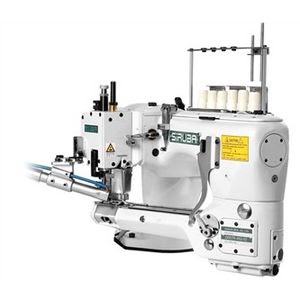
There are three types of sewing machines: Mechanical machines, electronic machines, and embroidery machines.
1. Mechanical machines
This type of machine is for occasional sewer or for one who wants to buy a sewing machine on a budget. This machine requires you to manipulate most of its controls by hand, and basic repairs, simple clothing, and craft projects can be done in this type of machine.
2. Electronic machines
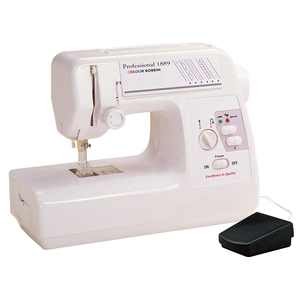
There are quite a large number of electronic sewing machines out there if you’re shopping around; each one is designed to provide users with certain features that may not be needed by the person who is going to use it. Choosing the right one for your needs may take a bit of time depending on how extensive your knowledge is of computers and their features.
Some machines allow you to easily browse through your pattern to make sure that it is properly formatted before you begin sewing; others will automatically print your finished product after you have finished sewing. However, you need to decide on what sort of electronic sewing machine you would like to use, you should definitely consider comparing the features as well as the price of different models to ensure you get the right one.
3. Embroidery Machines
Embroidery is a great way to add a personal touch to your clothing. Whether it’s adding a name or making a special message, embroidery is the perfect way to create a personalized piece of clothing. But for this type of work, you need the right tool for the job.
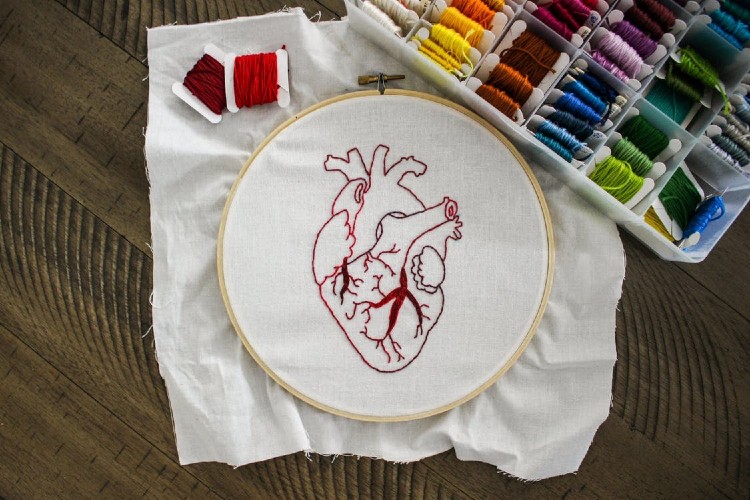
Embroidery machines provide just the right tool for this type of work. If you’re interested in creating clothing, embroidery clothes, and other decorative items with embroidery patterns, you’ll need to look into purchasing one of these machines.
Features of best sewing machine
1. Automatic Buttonholer
Modern sewing machines give a feature to sew a buttonhole in just one step, and also, you don’t have to stop and turn the fabric. A few machines permit you to embed the catch into an opening with the goal that the machine will sew a buttonhole to fit.

2. Good ergonomics and control
Good Ergonomics and Machine controls are essential to good overall hand health and comfort while using any sewing machine. A user needs to be able to move his hands freely without having to bend over. Good ergonomics also ensure that workers remain pain-free during long hours of work.

3. Lightweight
A lightweight feature will allow the user to carry out multiple tasks with the help of a single machine. A lightweight sewing machine is convenient to use for a person who is working on one sewing project at the same time. It can save time by allowing the user to do several projects at once instead of just a single one.
4. Needle position
Needle Position is a sewing machine feature that allows you to determine where you want your stitches to be located before you begin sewing. It is an important feature because it allows you to sew a tight and precise pattern as well as getting the exact results you are looking for.

The way it works is that you put your needle into a feed plate on the machine’s front (or “within”) side. Your stitching automatically moves to the exact location on the needle after you have turned the machine on, so all you have to do is turn the machine on and pull the needle through the feed plate.
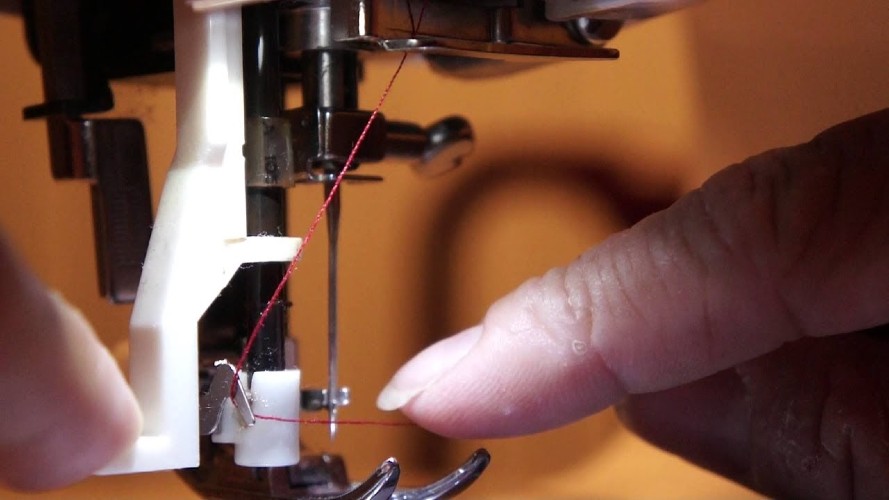
5. Needle threader
This feature allows the threader to pull the thread through the eye of the needle.
6. Presser’s feet
Presser Feet is an essential part of any sewing machine. The Presser Feet feature is usually located at the bottom of a sewing machine and has a handle on its top so that you can easily pull it down when not in use. These feet are also what will help you get the hang of using this type of sewing machine – so pay close attention to it! They will help you learn how to sew by creating and adjusting the tension on your machine, which is the heart of your sewing projects.

7. Speed control
Variable speed control, also known as smooth pedal control, is a very useful feature available on many new and used sewing machines aside from the basic beginner models. It enables the sewing-machine user to adjust the motor speed either up or down depending upon the current load or the user’s request.

In simpler terms, this means that you can adjust the speed of your machine to suit your needs and not the other way around. It is particularly useful when sewing small delicate items such as buttons and beads.
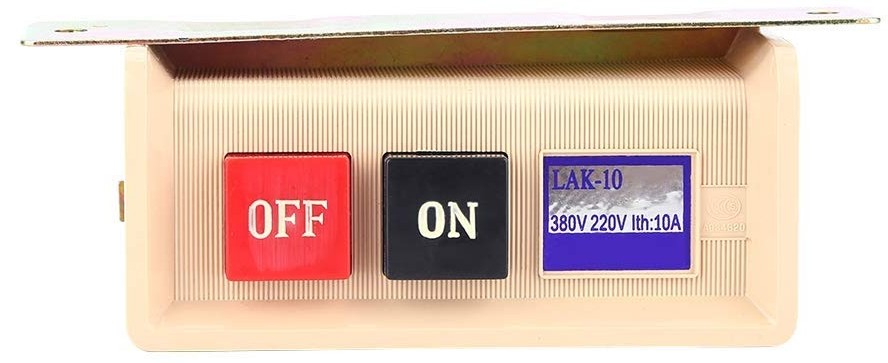
8. Power switch
The power switch feature allows the user to switch on or off the machine. It is a good safety feature if kids are around.
Factors to consider before choosing the best sewing machine for you
1. Mechanical or Electronic
It is important to decide if you need a mechanical sewing machine or an electric one. In mechanical, you need to turn the dials to get the stitches you want. While in electronics, it will make adjustments just by simply pressing the buttons.
2. The weight and size of the machine
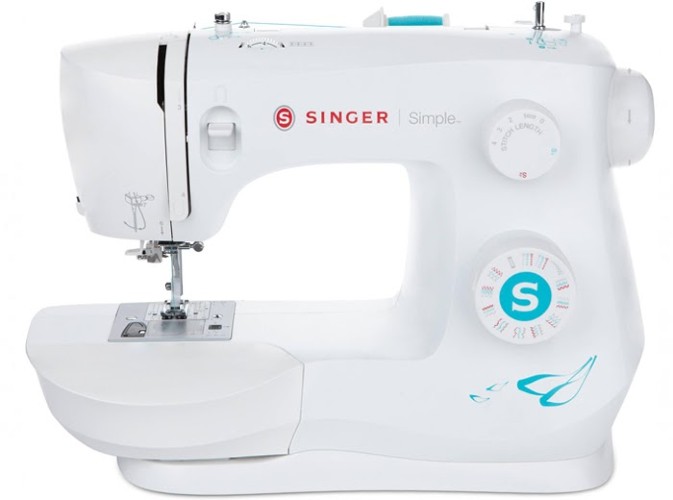
While picking the best sewing machine for your home or work needs, no matter what your specific needs are, you need to consider the weight and size of the machine. Sewing machines all differ in one way or another. One of the main factors to consider when shopping for a new machine is its weight and size.
 3. Budget
It is interesting to note that the advent of many sewing machine brands has actually led to the increase in overall prices of these machines over the years, and this has created a dilemma for a lot of people.
The reason that is most commonly known is that they are often associated with higher quality and a higher level of craftsmanship than their less expensive counterparts. It is very important to consider the budget if you want the best sewing machine according to your needs.
4. Stitch options
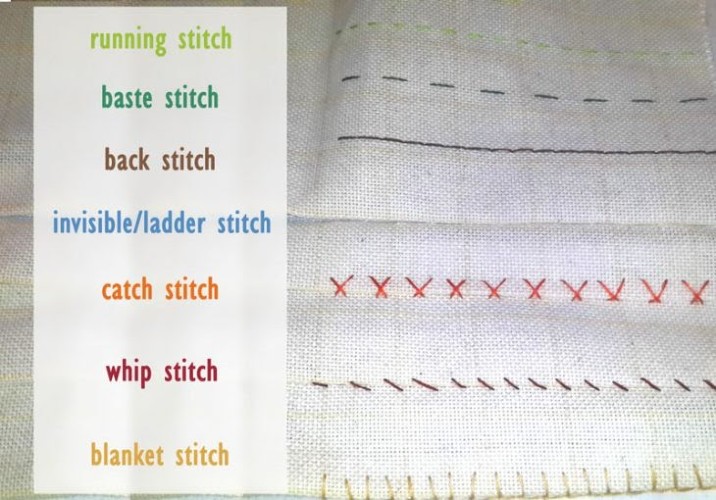
There are stitch options that are available in the machine that you can consider according to your needs. Here are some basic stitches options:
- Straight stitch
- Zigzag
- Tri-motion
- Buttonhole
- Blind hem
- Stretch straight
5. Warranty and service
When looking at a machine that you want to buy, you want to know what the Service and Warranty factors are. The Service and Warranty factor refers to how long the manufacturer’s guarantee stands for. If you are not sure about this, then it is best to read the product information so you are clear about it.
The guarantee usually stands for sixty months but this can vary, depending on the age of the sewing machine. You may also want to check if you need to have it serviced before this period runs out as if you do not pay for this service in time, it will be offered to you at a very high price.
FAQs
Q. What is the reason for breaking the upper thread?
A. The reason for the thread to break is maybe the needle is not inserted correctly or maybe it has sharp edges. It may be possible that the tension of thread is too compressed.
Q. Why do sewing machines skip stitches?
A. There may be a problem with the needle. It is possible that the needle is bent or blunt or the force on the foot is not sufficient.
Q. What should I look at while buying the best sewing machine?
A. You can check the features of the sewing machine that the brand is offering, and you can go through the above factors before choosing the best sewing machine for you.
Overall Outlook
We had gone through the salient features of many best sewing machines to choose the best ones for you. We have concluded the following two best sewing machines.
Other Products We Checked
ReviewRoller Editorial team researches hundreds of products based on features, quality and consumer feedback / ratings. From these, we shortlist the products for detailed analysis and testing before finalising our top picks. Below are the products we checked which didn’t make it to our Top 5.
Qualimate
ISABELLA
CHILLAXPLUS
See more